
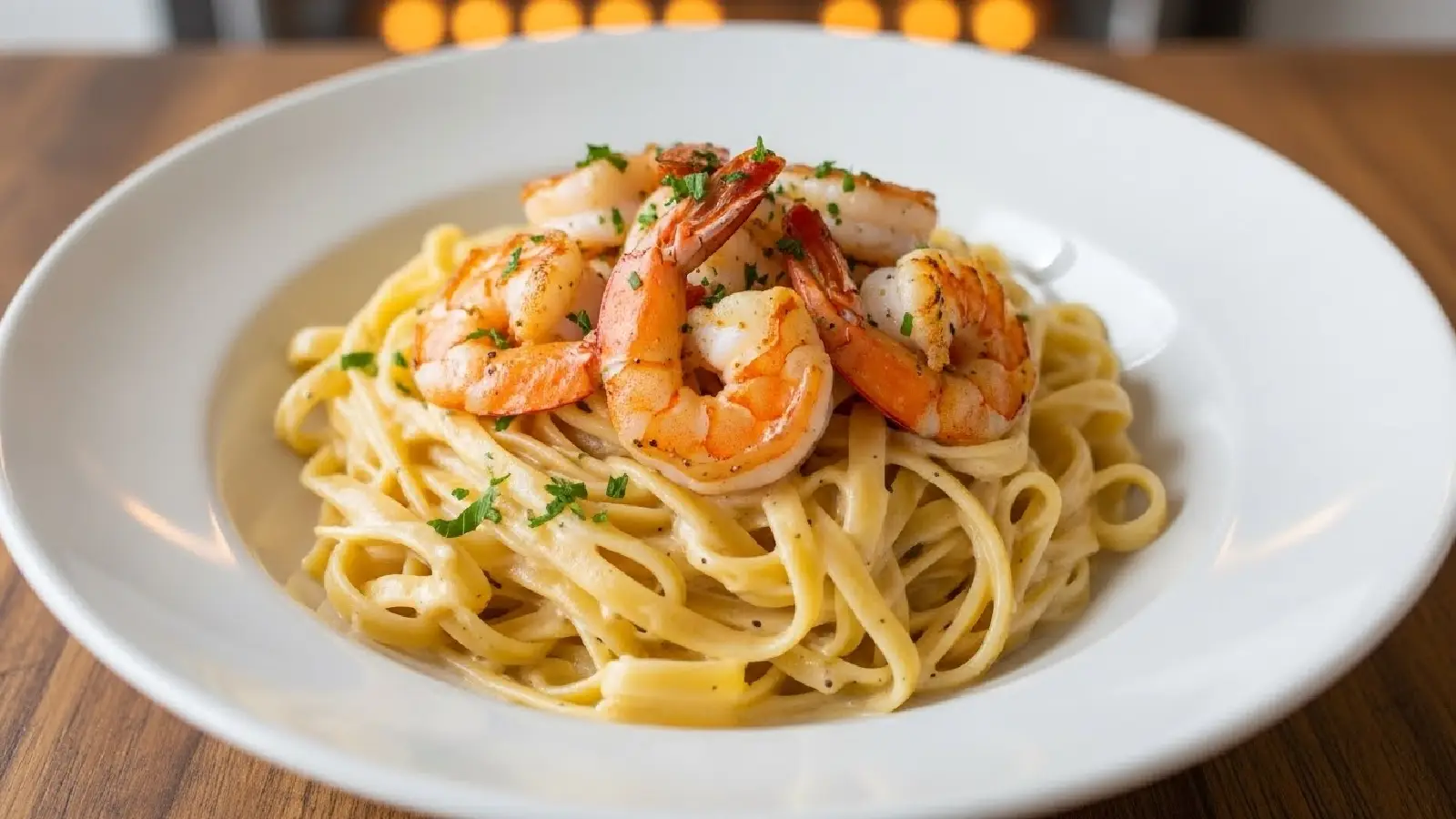
There are few dinners that bridge the gap between “comfort food” and “date night elegance” as effectively as a bowl of perfectly executed Garlic Shrimp Pasta. It is the kind of meal that feels like a special occasion but actually comes together faster than you can order delivery. The magic lies in the sauce: a luscious, velvet-smooth emulsion of heavy cream, parmesan, and garlic that clings to the noodles without becoming heavy or gloopy.
In this guide, we are stripping away the complications. You don’t need a culinary degree to master this dish; you just need to understand heat management and the importance of pasta water. We will cover how to get a golden sear on your shrimp, how to prevent your cream sauce from separating, and the exact moment to combine everything for the perfect bite.
What Is Creamy Garlic Shrimp Pasta?
Creamy garlic shrimp pasta is a rich, savory entrée consisting of tender, pan-seared shrimp tossed with long-strand pasta in a handmade white sauce. Unlike an Alfredo, which relies heavily on butter and cheese, this sauce uses heavy cream and white wine to create a balanced, glossy coating that highlights the seafood’s natural sweetness.
Ingredients You’ll Need
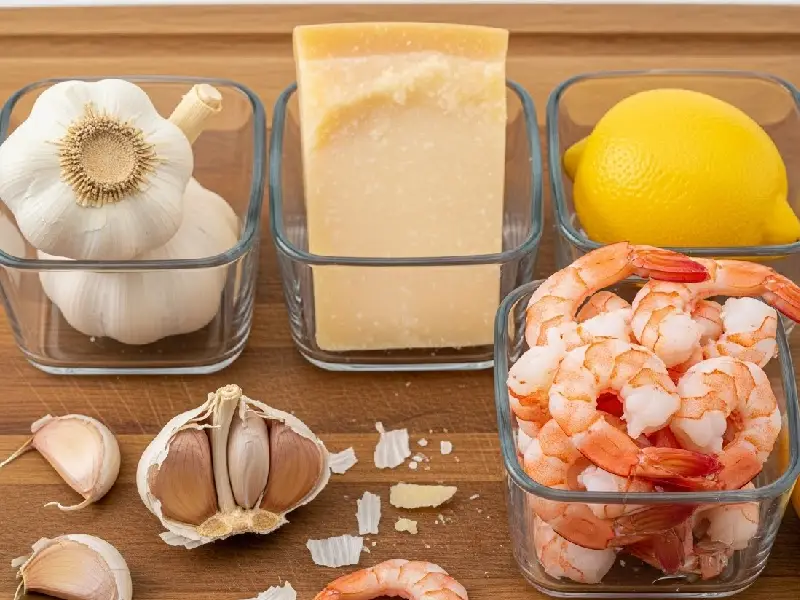
The ingredient list is short, which means quality matters. Using fresh garlic and real block cheese makes the difference between a “good” dinner and a “great” one.
- Shrimp: 1 lb large or extra-large shrimp, peeled and deveined. (Substitute: Scallops or lobster chunks).
- Pasta: 12 oz Fettuccine or Linguine. (Substitute: Penne or gluten-free spaghetti).
- Heavy Cream: 1 ½ cups. (Substitute: Half-and-half, though you may need a teaspoon of flour to help it thicken).
- Parmesan Cheese: 1 cup, freshly grated. (Avoid pre-shredded bags; they contain anti-caking agents that make the sauce grainy).
- Butter: 3 tbsp unsalted. (Substitute: Ghee or olive oil).
- Garlic: 5 cloves, minced. (Substitute: 1 tbsp jarred garlic, though fresh is superior).
- Dry White Wine: ¼ cup, such as Pinot Grigio or Sauvignon Blanc. (Substitute: Chicken broth or seafood stock).
- Lemon: Juice of half a lemon, plus zest.
- Seasoning: Salt, black pepper, and ½ tsp red pepper flakes (optional).
- Parsley: Freshly chopped for garnish.
How to Make Creamy Garlic Shrimp Pasta (Step-by-Step)
Step 1: Boiling the Pasta
Bring a large pot of salted water to a rolling boil. Add your pasta and cook it for one minute less than the package instructions suggest for al dente. The pasta will finish cooking in the hot sauce later, absorbing those delicious flavors. Crucial Step: Before you drain the colander, dip a mug into the pot and reserve about 1 cup of the cloudy, starchy pasta water.
Step 2: Prepping the Shrimp
While the water boils, rinse your shrimp and pat them extremely dry with paper towels. If the shrimp are wet, they will steam in the pan rather than searing, resulting in a rubbery texture. Season them generously with salt and black pepper.
Step 3: The Hard Sear
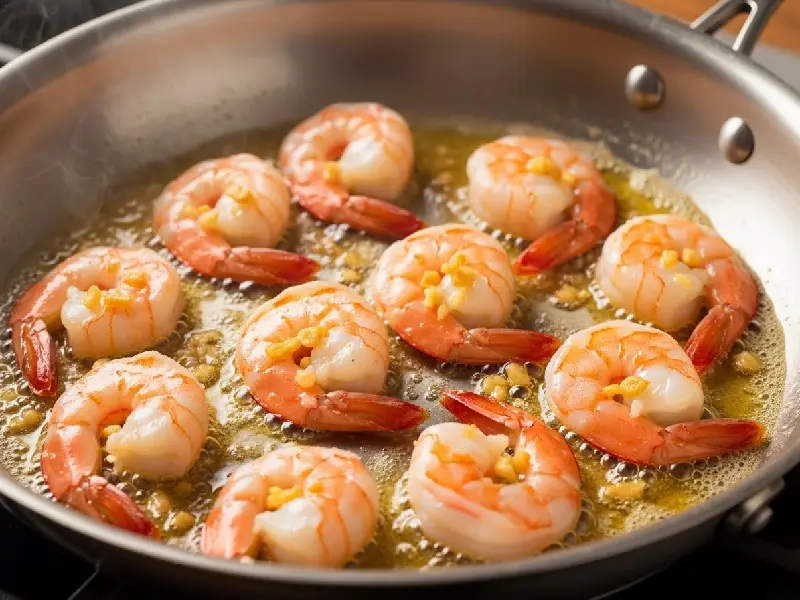
Place a large, deep skillet over medium-high heat. Melt one tablespoon of butter. Arranged the shrimp in a single layer—do not crowd the pan, or the temperature will drop. Sear them for about 60 to 90 seconds per side. You are looking for a pink color and a golden crust. Remove them immediately and set aside on a plate.
Step 4: Building the Aromatics
Reduce the heat to medium. Add the remaining butter to the skillet. Once melted, toss in the minced garlic and red pepper flakes. Sauté for 30 seconds until fragrant. Pour in the white wine to deglaze the pan, using a wooden spoon to scrape up the “fond” (the brown tasty bits stuck to the bottom from the shrimp). Let the wine simmer until reduced by half.
Step 5: Simmering the Sauce
Pour in the heavy cream. Bring the mixture to a gentle simmer—do not let it boil violently, or the dairy might curdle. Let it bubble softly for 3 to 5 minutes until it thickens enough to coat the back of a spoon.
Step 6: The Emulsification
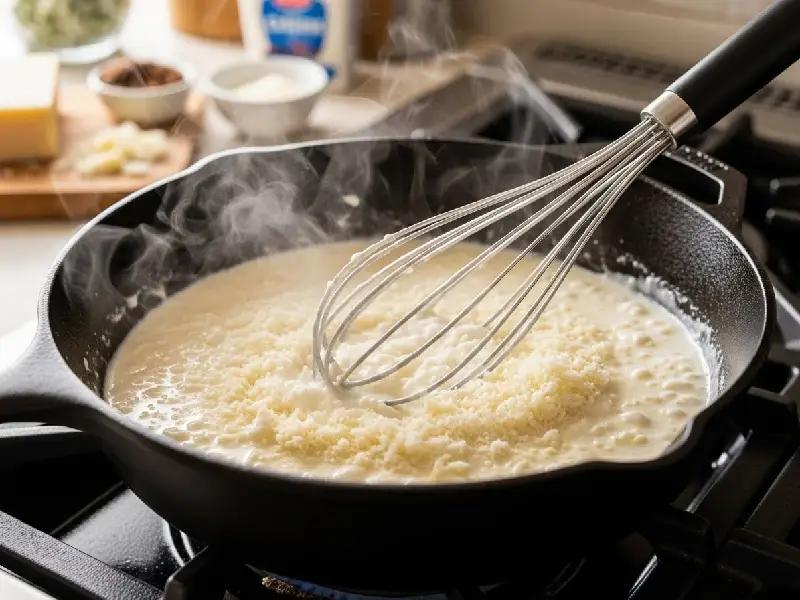
Turn the heat down to low. Stir in the parmesan cheese and whisk until melted and smooth. Add the cooked pasta and the seared shrimp back into the pan. This is where the magic happens: pour in a splash (about ¼ cup) of the reserved pasta water. Toss everything vigorously with tongs. The starch in the water binds the fat and liquid together, creating a glossy, cohesive sauce. Finish with lemon juice and zest.
Pro Tips for Best Results
- Grate Your Own Cheese: We cannot stress this enough. Pre-shredded cheese is coated in potato starch or cellulose to keep the strands separate in the bag. That same coating will prevent the cheese from melting fully, leaving you with a gritty sauce.
- Room Temperature Cream: If you pour ice-cold cream into a hot skillet, the temperature shock can sometimes cause the fat to separate. Try to take your cream out of the fridge when you start boiling the water.
- Don’t Overcook the Shrimp: Shrimp cook incredibly fast. Once they curl into a “C” shape, they are done. If they curl tightly into an “O” shape, they are overcooked.
- Salt at the End: Parmesan cheese is naturally salty. Wait until the sauce is fully combined before adding extra salt to ensure you don’t over-season the dish.
- The Acid Factor: This dish is rich. The squeeze of lemon juice at the very end cuts through the fat of the heavy cream, waking up the palate and making the flavors pop.
Flavor Variations & Substitutions
1. Cajun-Style Heat
Swap the Italian seasonings for a tablespoon of Cajun spice rub on the shrimp. Sauté diced bell peppers and onions along with the garlic. This version adds a smoky, spicy depth that works beautifully with the cream.
2. Florentine (Spinach & Tomato)
To get some veggies into the meal, toss in two cups of fresh baby spinach and ½ cup of chopped sun-dried tomatoes when you add the cream. The spinach will wilt instantly in the hot sauce, adding color and nutrition.
3. Pesto Fusion
Stir in two tablespoons of basil pesto right at the end of the cooking process. The basil and pine nuts add a fresh, herbal complexity that turns the sauce a beautiful pale green.
What Goes Well With Garlic Shrimp Pasta
Because this pasta is rich and filling, you want to pair it with sides that provide texture or acidity to cleanse the palate. A crisp green salad with a sharp vinaigrette is the perfect counterpoint to the heavy cream. Roasted asparagus or broccoli are also excellent choices.If you are planning a full seafood feast, you might consider starting the meal with a light bowl of our simple starter soup. Alternatively, if you find you enjoy this cooking method, you can apply similar techniques to other rich white-sauce seafood noodles using crab or lobster for your next dinner party.
Storage & Reheating Tips
Storage: Leftovers can be stored in an airtight container in the refrigerator for up to 3 days. However, seafood pasta is always best eaten fresh.
Reheating: Cream-based sauces tend to break (separate into oil and solids) when reheated in the microwave. For the best results, place the pasta in a saucepan over low heat. Add a splash of water or milk and stir gently until warmed through. This helps re-emulsify the sauce and keeps the shrimp from becoming rubbery.
Frequently Asked Questions (FAQ)
Can I use frozen shrimp?
Yes, absolutely. Frozen shrimp are often fresher than “fresh” counter shrimp because they are flash-frozen at sea. Just make sure to thaw them completely in cold water and pat them very dry before cooking.
Why did my sauce separate/curdle?
This usually happens if the heat is too high. Once the cheese is added, you should never let the sauce come to a boil. Keep the heat on low or remove the pan from the burner entirely while whisking in the cheese.
Can I make this dairy-free?
You can substitute full-fat coconut milk for the heavy cream and use nutritional yeast or a vegan parmesan alternative. It will change the flavor profile slightly (adding a coconut note), but the texture remains creamy and delicious.
Conclusion
This Creamy Garlic Shrimp Pasta proves that you don’t need hours of prep time to create a meal that feels luxurious. It is all about respecting the ingredients—searing the shrimp quickly to keep them snappy and emulsifying the sauce properly for that glossy finish. It is a reliable, crowd-pleasing recipe that belongs in every home cook’s rotation.For more inspiration on how to handle fresh catch and shellfish, be sure to explore more fish and shellfish ideas in our main collection. Whether you are grilling, baking, or sautéing, the perfect seafood dinner is closer than you think
Print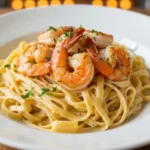
20-Minute Creamy Garlic Shrimp Pasta
- Total Time: 20 mins
- Yield: 4 servings 1x
Description
A luxurious, quick dinner featuring tender shrimp and a velvet-smooth garlic parmesan sauce.
Ingredients
- 1 lb Large Shrimp (peeled and deveined)
- 12 oz Fettuccine or Linguine
- 3 tbsp Unsalted Butter (divided)
- 5 cloves Garlic (minced)
- 1 ½ cups Heavy Cream
- 1 cup Parmesan Cheese (freshly grated)
- ¼ cup Dry White Wine
- 1 tbsp Lemon Juice
- ½ tsp Red Pepper Flakes (optional)
- Salt and Black Pepper to taste
- Fresh Parsley (chopped)
Instructions
Boil: Cook pasta in salted boiling water until 1 minute shy of al dente. Reserve 1 cup of pasta water, then drain.
Dry & Season: Pat shrimp completely dry with paper towels. Season with salt and pepper.
Sear: Melt 1 tbsp butter in a large skillet over medium-high heat. Sear shrimp for 1-2 minutes per side until pink. Remove and set aside.
Aromatics: Reduce heat to medium. Add remaining butter, garlic, and red pepper flakes. Sauté for 30 seconds. Deglaze with wine and reduce by half.
Simmer: Pour in heavy cream. Simmer gently for 3-5 minutes until slightly thickened.
Emulsify: Reduce heat to low. Whisk in parmesan until smooth.
Combine: Add pasta and shrimp back to the pan. Toss with a splash of reserved pasta water until the sauce coats the noodles.
Finish: Stir in lemon juice and parsley. Serve immediately.
- Prep Time: 10 mins
- Cook Time: 10 mins
- Category: Main Course
- Method: Stovetop
- Cuisine: Italian-American
Nutrition
- Calories: 680 kcal
- Fat: 38g
- Saturated Fat: 22g
- Carbohydrates: 55g
- Protein: 32g
Keywords: garlic shrimp pasta, creamy seafood pasta, quick shrimp dinner