
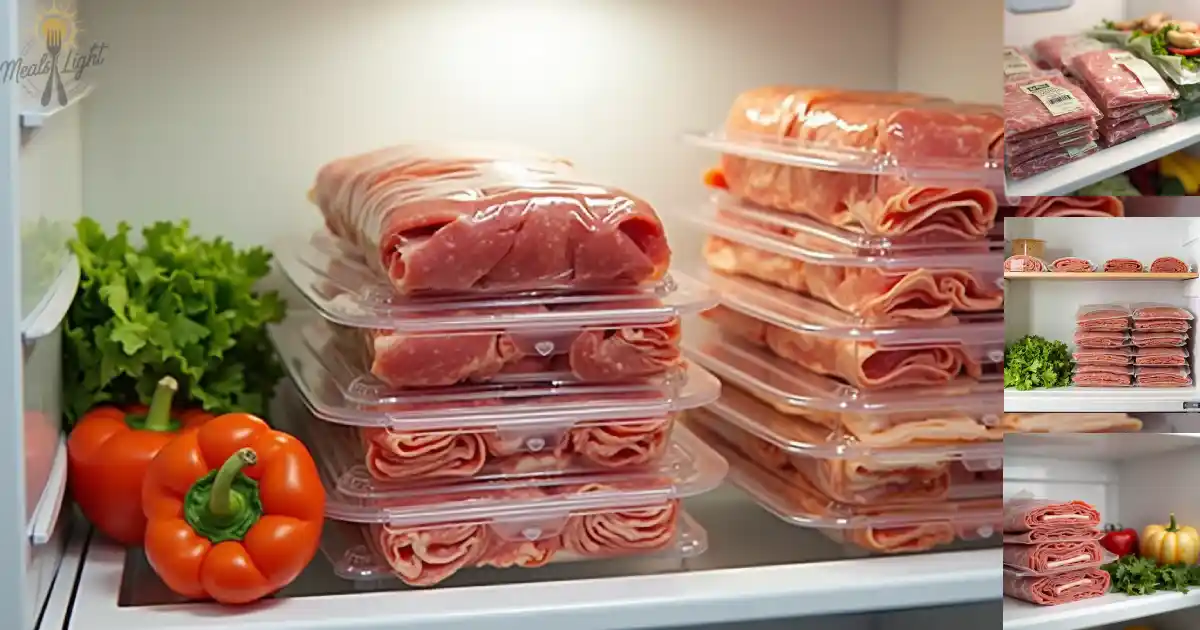
Lunch meat typically lasts about 3–5 days in the refrigerator once opened, while unopened packages can stay fresh for up to two weeks, depending on the “use-by” date. Freshly sliced deli meat usually keeps well for around 3–5 days too. For extended storage, freezing is your best option—lunch meat can maintain good quality for 1–2 months in the freezer with minimal flavor or texture loss.
Who doesn’t love the convenience of lunch meat? It’s a quick and easy choice for sandwiches, wraps, and snack boards. But one common question always pops up when you’re eyeing that pack of turkey or ham in the fridge: How long does it really last? Whether it’s pre-packaged slices, freshly cut deli meat, or that mystery pack hiding in the back, knowing when lunch meat is safe to eat is essential to avoid any unpleasant surprises (and potential foodborne issues).
In this guide, we’ll cover everything you need to know about keeping your lunch meat fresh—from smart storage methods and freezing tips to the clear signs it’s time to toss it out. Grab your sandwich and dig in, because we’re revealing the best ways to help your lunch meat stay fresher, taste better, and remain safe to enjoy.
Key Takeaways
- Fridge Life: Once opened, lunch meat generally lasts 3–5 days in the refrigerator, while unopened packages can remain fresh for up to two weeks. Freshly sliced deli meats have a similar shelf life of about 3–5 days.
- Freezing for Longevity: Freezing lunch meat can extend its shelf life to 1–2 months. Ensure it’s tightly wrapped or stored in freezer-safe, airtight packaging to prevent freezer burn.
- Signs of Spoilage: Watch for discoloration, a slimy texture, unpleasant odors, or any mold growth—these are clear signs that your lunch meat has spoiled and should be thrown away.
- Storage Tips: Keep lunch meat in airtight containers and store it at or below 40°F (4°C) to maintain freshness and reduce the risk of bacterial growth.
- Longevity of Specific Meats: Cured and smoked deli meats—such as salami and pepperoni—tend to last longer than fresh deli cuts, with a shelf life of up to 2–3 weeks when properly stored.
How Long Does Lunch Meat Last in the Fridge?
Lunch meat can be a bit particular about how long it stays fresh. Whether it’s pre-packaged or freshly sliced, understanding its fridge life can mean the difference between a satisfying, safe lunch and a questionable bite. Here’s your complete guide to how long lunch meat lasts in the refrigerator.
Pre-Packaged Lunch Meat (Opened & Unopened)
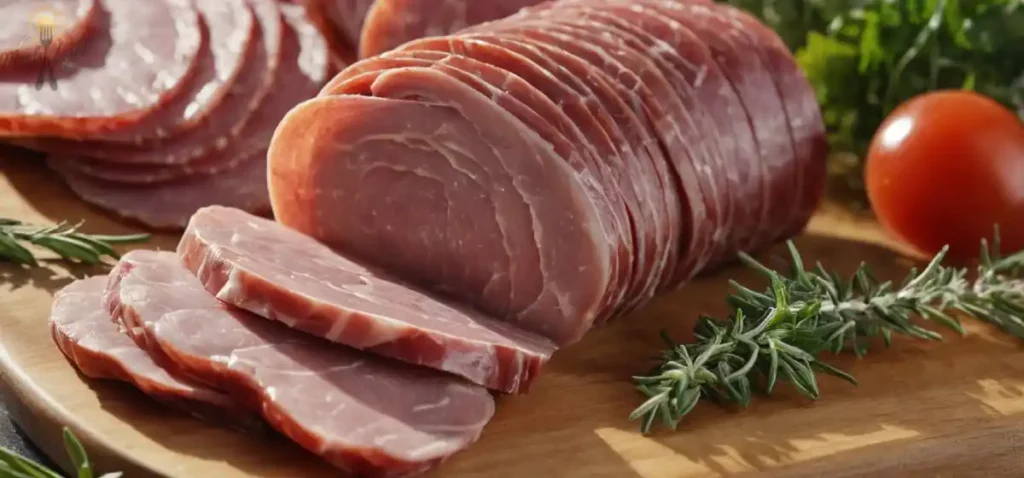
- Unopened: If the package is still sealed, you’re good for a bit longer. Unopened, pre-packaged lunch meat typically remains fresh for up to two weeks—always double-check the “use-by” date on the label. The preservatives in pre-packaged varieties help extend shelf life, making them a dependable choice for those who want their lunch meat to last.
- Once Opened: Once the seal is broken, the countdown begins. Opened pre-packaged lunch meat generally stays fresh for about 3–5 days in the fridge. After that, even if it looks or smells fine, it’s safest to discard it to avoid potential bacterial growth or spoilage.
Freshly Sliced Deli Meat
- Shelf Life: Freshly sliced deli meat from the counter is a bit more delicate. Without the preservatives found in packaged versions, deli-sliced meats should ideally be eaten within 3–5 days of purchase for the best taste and food safety.
- Why the Shorter Shelf Life? Deli-sliced meats don’t contain the added preservatives that help pre-packaged ones last longer. As a result, they’re more prone to spoilage and should be consumed quickly to ensure freshness and safety.
Whether you’re grabbing a pre-packaged option or fresh slices from the deli, keeping track of how long your lunch meat has been in the fridge is essential to enjoying a safe, flavorful meal every time.
How to Store Lunch Meat for Maximum Freshness
Who doesn’t love opening the fridge to find perfectly fresh lunch meat ready to layer into a sandwich or fold into a wrap? To keep your lunch meat flavorful and safe for as long as possible, proper storage is key. Follow these simple tips to keep your slices fresh, tasty, and sandwich-ready.
Best Practices for Storage
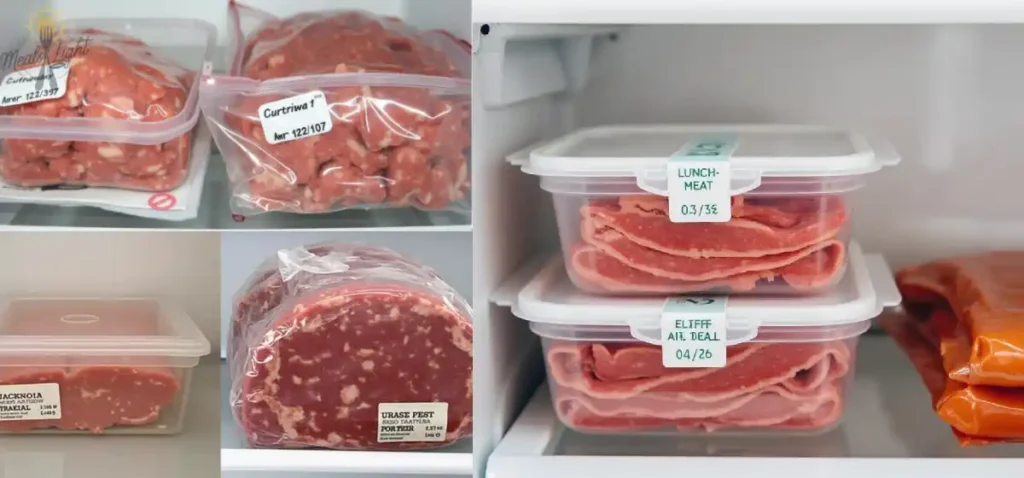
- Keep it Cool: Lunch meat stays freshest in a consistently cold environment. Set your refrigerator to 40°F (4°C) or lower to maintain quality and safety. Avoid storing lunch meat in the fridge door, where temperatures fluctuate more frequently—stick to the main compartment for optimal cooling.
- Choose Your Wrap Wisely: Once opened, give your lunch meat a little extra care. Transfer it to an airtight container to prevent it from drying out and to block unwanted fridge odors. If containers aren’t available, double-wrap slices in plastic wrap or aluminum foil before refrigerating to lock in moisture and flavor.
- Front and Center: Don’t hide your lunch meat in the back of the fridge. Keep it on a visible middle shelf so you’ll remember to use it before it passes its prime. Storing it within easy reach also helps reduce unnecessary door openings, keeping your fridge temperature steady and cold.
Can You Freeze Lunch Meat?
Absolutely! Freezing is an excellent way to extend the shelf life of lunch meat—just make sure to prepare it correctly to preserve flavor and texture.
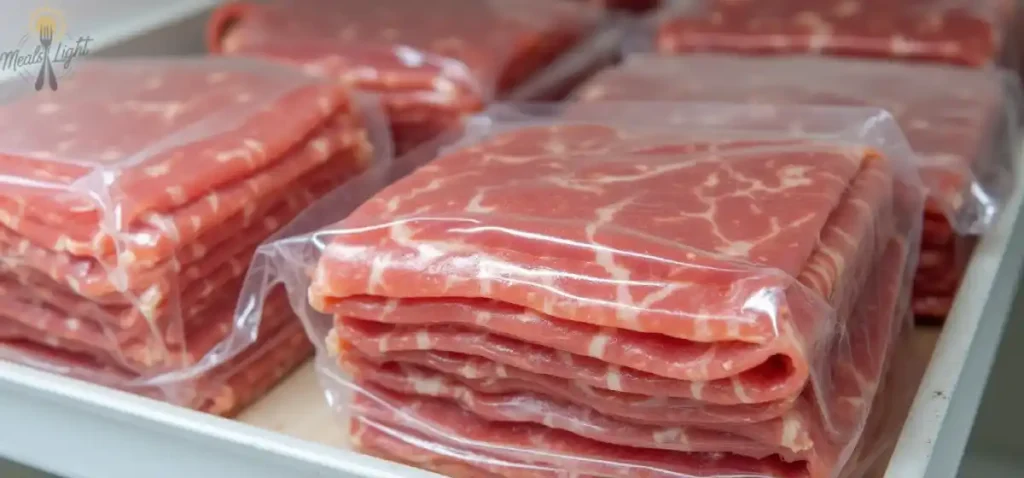
- Pre-Packaged Meat: If the package is still sealed, you can place it directly in the freezer. For opened lunch meat, portion it into smaller servings, wrap each portion tightly in plastic wrap, and then seal them in a freezer-safe bag or container to prevent freezer burn. This makes it easy to thaw only what you need while keeping the rest safely frozen.
- Taste & Texture: Most types of lunch meat freeze well, though you may notice slight texture changes after thawing. Thicker slices tend to retain their structure, while very thin deli cuts may become a bit crumbly—still great for sandwiches, omelets, or wraps. For the best flavor and texture, use frozen lunch meat within 1–2 months.
How to Tell If Your Lunch Meat Has Gone Bad
Wondering if your deli meat is still safe to eat? Recognizing the signs of spoilage is essential—not only for maintaining freshness but also for protecting your health. Lunch meat, like any perishable food, has a limited shelf life, and knowing when it’s gone bad can help you avoid unpleasant surprises. Whether it’s pre-packaged slices or freshly cut deli meat, spotting spoilage early ensures you stay safe and enjoy your meals with confidence. Here’s your complete guide to identifying when your lunch meat has passed its prime.
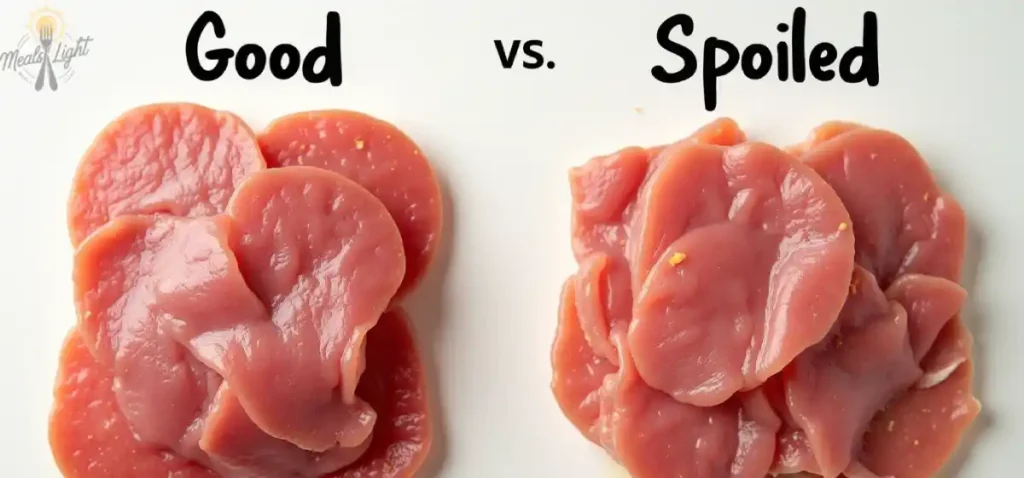
Common Signs of Spoilage
It’s important to pay attention to how your deli meat looks, smells, and feels. These indicators will help you determine whether it’s still safe to eat:
- Visual Indicators: Check the color first. Fresh deli meat should have a vibrant, uniform appearance—light pink for turkey, rich red for ham, or natural tones for roast beef. As the meat ages, you may notice discoloration such as grayish edges, dull tones, or greenish patches. Any sign of sliminess or mold means the meat has spoiled and should be discarded immediately.
- Smell and Texture Clues: Fresh lunch meat should smell mild and appetizing. If it gives off a sour, overly salty, or “off” odor, it’s likely no longer safe to eat. Texture is another giveaway—if the meat feels sticky or slimy, that’s a sure sign it has spoiled. When in doubt, trust your senses: if it looks, smells, or feels strange, it’s best to throw it out.
Handling Tips for Safe Consumption
Proper handling is key to extending the freshness of lunch meat and minimizing the risk of spoilage. Follow these essential steps:
- Refrigerate Cold Cuts Promptly: Always refrigerate lunch meat as soon as you get home, especially if it’s freshly sliced. Keeping it cold right away prevents bacteria from multiplying and helps maintain quality.
- Prep and Portion Carefully: Avoid leaving lunch meat out at room temperature for more than two hours. Pre-portioning your slices before storing can also help minimize handling and reduce exposure to warm air during meal prep.
- Freezing Lunch Meat: Have extra on hand? Freezing is an excellent way to extend the shelf life of lunch meat by up to 1–2 months. Wrap each portion tightly in plastic wrap or store it in a freezer-safe bag or container to prevent freezer burn. While freezing preserves safety and flavor, note that thinner slices may become slightly crumbly once thawed—still great for sandwiches, omelets, or wraps.
By keeping an eye out for these spoilage signs and practicing safe handling, you can ensure your lunch meat stays fresh, flavorful, and ready to enjoy whenever hunger strikes.
Deli Meats with the Longest Shelf Life
Not all deli meats are created equal when it comes to how long they last. Some varieties naturally stay fresh longer, giving you more time to enjoy them before they need to be tossed. Here’s a look at which deli meats tend to have the longest shelf life—and what factors help them stay fresh for longer.
Types of Deli Meats That Typically Last Longer
- Salami: This flavorful cured meat is rich in preservatives and can last up to 2–3 weeks in the refrigerator once opened. Its drying and curing process removes moisture and creates a less hospitable environment for bacteria, giving salami a naturally longer shelf life.
- Pepperoni: Similar to salami, pepperoni is a cured and seasoned meat known for its shelf stability. Thanks to its low moisture content and high seasoning, it can last 2–3 weeks in the fridge after opening without losing quality.
- Ham: A staple in many sandwiches, ham tends to have a longer refrigerator life, especially when it’s fully cooked and vacuum-sealed. Depending on the variety, ham can last about 1–2 weeks when stored properly in the fridge.
- Turkey and Chicken (Cured or Smoked): Freshly sliced turkey and chicken are more perishable, but their cured or smoked counterparts can stay fresh for up to 7–10 days in the refrigerator. The smoking or curing process not only enhances flavor but also helps preserve the meat by reducing moisture and inhibiting bacterial growth.
Factors That Contribute to Longevity
Several elements affect how long deli meats stay fresh. Here are the key factors that extend their shelf life:
- Curing and Smoking: These preservation methods remove moisture and limit bacterial growth. Whether through dry curing, brining, or smoking, each process helps extend the shelf life while deepening the flavor of the meat.
- Packaging: Airtight, vacuum-sealed packaging significantly slows spoilage by keeping out oxygen and moisture. Choosing vacuum-packed deli meats can make a big difference in how long they stay fresh.
- Salt Content: Salt acts as a natural preservative by drawing out moisture and preventing bacterial activity. Deli meats with higher salt content, such as salami and pepperoni, tend to last much longer than those with less salt.
By selecting deli meats that are cured, smoked, or vacuum-sealed, you can extend the shelf life of your favorite cold cuts—like ham, turkey, and pepperoni—so you can enjoy them longer without worrying about spoilage.
Frequently Asked Questions
How can I tell if lunch meat is bad?
You can tell lunch meat has gone bad by checking for an off smell, slimy texture, or discoloration. Any signs of mold or a sour odor mean it’s no longer safe to eat. Always trust your senses—if something seems off, discard it immediately.
How long does deli meat last in the fridge?
Unopened deli meat usually lasts 1–2 weeks in the refrigerator, while opened deli meat should be eaten within 3–5 days. Store it in airtight packaging to maintain freshness, and always check the “use-by” date for the most accurate guideline.
How many days does luncheon meat stay fresh?
Luncheon meat stays fresh for about 3–5 days once opened. If unopened, it can last up to 2 weeks in the fridge, depending on the type. For the best quality and safety, consume it within this timeframe.
Is deli meat safe to eat after 7 days?
Deli meat can sometimes last up to 7 days if stored properly in the refrigerator, but it’s safest to consume it within 3–5 days of opening. Always check for changes in color, texture, or smell before eating. If you notice anything unusual, throw it out.
How long until meat spoils?
Meat can spoil within a few hours or a few days, depending on its type and how it’s stored. Fresh raw meat should be cooked or frozen within 1–2 days, while deli meats typically last several days in the fridge. Keep meat cold at all times to slow spoilage.
How to know if lunch meat has gone bad?
Lunch meat is spoiled if it smells sour, feels slimy, or shows discoloration, such as gray or green spots. If it’s past its “use-by” date or has any mold, discard it immediately. Trust your senses—when in doubt, it’s best to toss it.
Is slimy lunch meat still safe to eat?
No. Slimy lunch meat is a clear sign of bacterial growth and should not be eaten. Consuming it can lead to foodborne illness. Always discard deli meat that feels sticky or slippery to the touch.
Can I freeze lunch meat?
Yes, you can freeze lunch meat to extend its shelf life for up to 1–2 months. Wrap it tightly in plastic wrap or store it in an airtight freezer-safe bag to prevent freezer burn. Keep in mind that thinner slices may become slightly crumbly once thawed, though they remain safe to eat.
Conclusion
And that’s a wrap—everything you need to know about how long lunch meat lasts, how to store it properly, and how to recognize when it’s time to discard it. By following these straightforward tips, you can keep your deli meats fresh, flavorful, and safe for as long as possible, making every sandwich and meal enjoyable. Proper storage and attention to spoilage signs not only help prevent food waste but also give you peace of mind while enjoying your lunch meat. Now, dig in and savor every bite—your meal is both safe and delicious!